Emergency tree work gardeners Isleworth urgent callouts: fast, safe help when trees become a risk
When a tree suddenly splits, leans, drops a heavy limb, or blocks access after bad weather, you do not have the luxury of waiting around and hoping it sorts itself out. That is exactly where Emergency tree work gardeners Isleworth urgent callouts come in. The job is simple in principle, though rarely simple in practice: make the area safe quickly, reduce immediate danger, and decide what needs to be removed, secured, or followed up later. In Isleworth, where gardens can be tight, mature trees are common, and weather can turn in a hurry, fast action matters. A wet evening, a gusty morning, or a tree caught half-on a fence can change the whole mood of a property in minutes.
This guide explains what emergency tree work involves, how urgent callouts usually work, what to expect on the day, and how to judge whether a tree is a genuine emergency or a situation that can be planned for properly. You will also find practical safety advice, a comparison table, a realistic example, and a checklist you can use before calling for help. No drama, no fluff. Just the useful bits, in plain English.
Why Emergency tree work gardeners Isleworth urgent callouts Matters
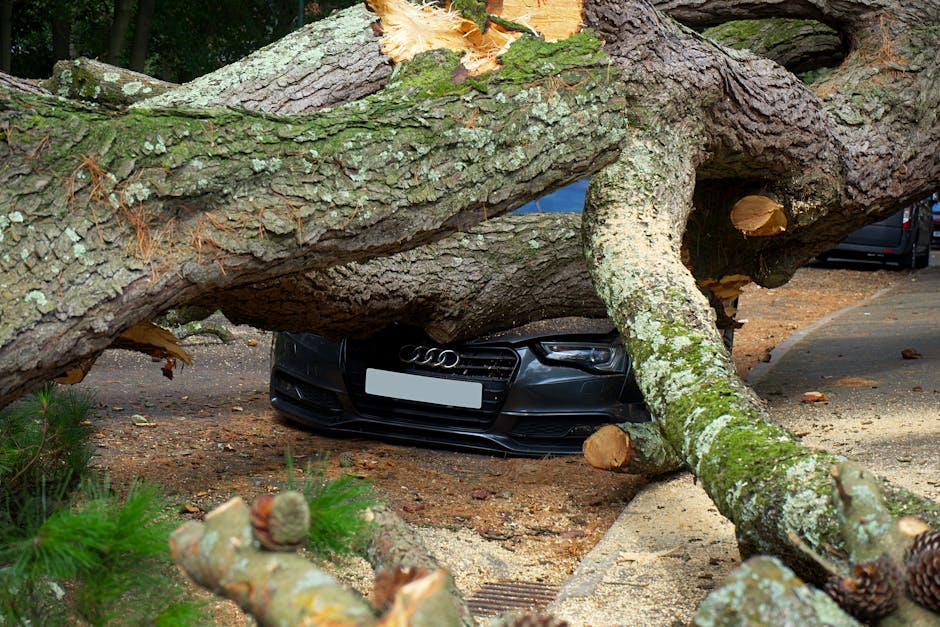
Tree emergencies are about risk, not aesthetics. A tree can look fine from the street and still be structurally compromised. A cracked union, uprooted root plate, split stem, or hanging branch may not look dramatic from a distance, but it can become dangerous very quickly. In a place like Isleworth, where gardens often sit close to homes, sheds, garages, parked cars, pathways, and shared boundaries, that risk can spread beyond your own plot.
What makes urgent tree work different from routine tree surgery is the need to stabilise the situation quickly. That might mean isolating an area, removing a loose branch before it falls, or dismantling a tree in sections because there is no safe way to fell it outright. To be fair, the phrase "emergency" is used a bit loosely online sometimes, but in the real world it usually means one thing: something has changed, and it is no longer safe to leave it until next week.
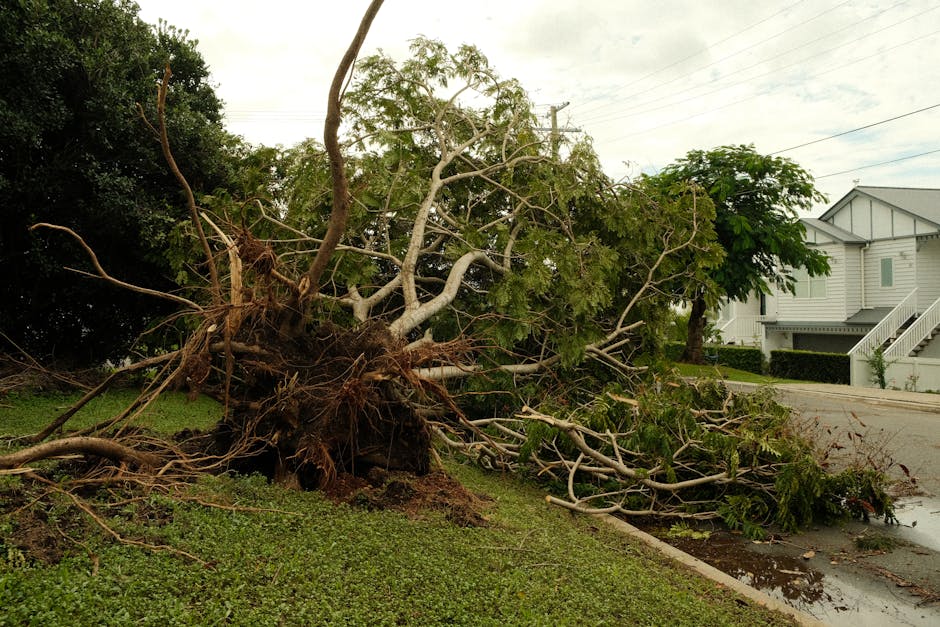
Severe weather is often the trigger. Wind, saturated ground, and hidden decay can all combine to make a mature tree move in ways it should not. If you have already read about defending your garden from severe weather threats or windproofing your garden sanctuary, you will know that prevention helps. Still, not every failure can be predicted. Sometimes you just get the call at 7:30 on a rainy Tuesday and the tree is halfway across the fence. Happens more than people think.
There is also the insurance angle. If a tree causes damage, a prompt professional response can help you document the issue, reduce further losses, and show that you acted responsibly. That matters whether the problem is on your side of the boundary or shared with a neighbour. Delaying action can make a bad day worse, and let's face it, nobody wants a complicated conversation over a fallen limb and a smashed panel.
How Emergency tree work gardeners Isleworth urgent callouts Works
An urgent tree callout usually starts with a quick triage conversation. The aim is to understand the immediate hazard, the type of tree, the visible damage, and whether there is any risk to people, structures, roads, or utilities. A good first call is not about guessing a perfect solution over the phone. It is about gathering enough information to decide how quickly someone needs to attend and what equipment may be required.
Once on site, the priority is assessment. A climber or tree surgeon will look for split limbs, root heave, cavities, hung-up branches, tension in the stem, and signs the tree has become unstable. They will also check access, overhead hazards, and whether the tree can be made safe with targeted pruning or whether sectional dismantling is the only sensible option. If the ground is muddy or the tree has moved after storm damage, that can change the plan fast.
In many cases, emergency work is not the final stage. It is the immediate stage. The first task is often to remove the active danger, then tidy the site enough that you can breathe again. A second visit may be arranged for stump grinding, crown reduction, full removal, hedge line repairs, or follow-up garden recovery. If the tree has damaged surrounding planting or left the garden looking bare, later work can be planned through a broader service such as garden maintenance or landscaping.
One thing people sometimes miss is that emergency tree work is as much about decision-making as cutting. A careful contractor may decide that the safest option is cordoning off the area until daylight or until the weather improves. That is not hesitation. That is judgement.
Key Benefits and Practical Advantages
The obvious benefit is safety, but there are several others worth spelling out because they affect the outcome in practical ways.
- Reduced risk of injury from falling branches, unstable stems, or shifting root plates.
- Less property damage because dangerous material is removed before it breaks further.
- Faster restoration of access to driveways, side passages, gardens, and shared spaces.
- Better protection for neighbours when a tree sits close to a boundary or shared fence.
- Clearer next steps if the issue is temporary damage rather than full tree failure.
- Insurance-friendly documentation when you need to show that the hazard was dealt with promptly.
There is also a quieter benefit: peace of mind. Once a dangerous tree is made safe, the whole garden feels different. You stop glancing at the branch every time the wind picks up. You stop hearing that odd creak at night and wondering whether the next gust will finish the job. Small relief, but real.
If the emergency leads to a planned replacement, you can also turn a stressful problem into an improvement. A damaged tree may be replaced with a better-sited specimen, or the cleared area may be redesigned to improve light and usability. That is where services like tree surgery and broader gardening services become part of the recovery, not just the response.
Who This Is For and When It Makes Sense
This service is for anyone who has a tree that is actively unsafe or likely to become unsafe very soon. That includes homeowners, landlords, letting agents, business premises with garden frontage, and residents responsible for shared outdoor areas. It also includes people who are not sure whether the problem is urgent. Truth be told, uncertainty is common, and that is fine. If a tree has changed shape, dropped heavy limbs, or started leaning after wind, it is worth asking for a professional view.
It makes sense to request urgent help when:
- a branch is hanging loosely over a path, driveway, or roof;
- a tree has partially uprooted or lifted at the base;
- the trunk is split, cracked, or audibly moving in the wind;
- there is damage to fencing, sheds, decking, or a neighbour's property;
- access to the property is blocked;
- you need to make the area safe before children, pets, tenants, or visitors use it again.
Sometimes the issue is not the tree itself but what it threatens. A weak limb over a glass extension, a rotting trunk near a play area, or storm debris sitting on a deck can all justify a fast response. If you are also thinking about children, pets, or regular family use, it may be helpful to read creating a safe and fun garden for children and gardening safely and joyfully with your canine companion. Safety in the garden is rarely one isolated issue. It tends to ripple outward.
Step-by-Step Guidance
If you are facing a tree emergency right now, keep the process simple. Panic does not help, even if the branch looks theatrical. Here is the sequence that usually makes the most sense.
- Stay clear of the hazard. Do not stand under hanging branches or near a leaning trunk.
- Keep others away. This includes children, visitors, and pets.
- Check for immediate danger. Look for power lines, broken glass, blocked exits, or damage to roofs and fences.
- Take a few photos from a safe distance. These can help with assessment and insurance records.
- Make the call. Explain what happened, where the tree is, and whether access is restricted.
- Follow instructions. You may be told to avoid the area until the team arrives.
- Allow a proper site assessment. The first solution is not always the final one.
- Ask what happens next. Clarify whether removal, pruning, bracing, or follow-up work is needed.
If the tree damage is linked to wider storm impact, it can also help to prepare the rest of the garden after the emergency is over. A smart next step might be to strengthen vulnerable planting through keeping your garden thriving through winter's chill or to rebuild wind-prone areas with ideas from privacy hedges and evergreen climbers for dim areas. Not because those solve an emergency, but because they help you avoid the same headache next season.
Expert Tips for Better Results
Here is the part that tends to save time, money, and a fair bit of stress.
- Do not over-describe the problem. Tell the truth plainly. "Large branch broken but still attached" is better than "tree disaster" unless it truly is one.
- Photograph from a distance. A close-up shot can hide the scale of the hazard.
- Ask whether the tree is alive, dead, or structurally compromised. Those are not the same thing.
- Check access before the team arrives. Gate width, locked side entrances, and parked vehicles can slow an urgent response.
- Keep the garden clear. Move furniture, pots, and lightweight items away if it is safe to do so.
- Plan for debris. Branches, sawdust, and bark can travel farther than people expect.
- Discuss the future of the tree. Sometimes a repaired canopy is fine. Sometimes replacement is smarter.
One more practical note: emergency work is often about balance. You want speed, but not rushed cutting. A calm, methodical approach tends to be safer, even if it looks slower from the outside. That is the sort of thing you learn after seeing enough awkward trees in awkward places.
If you are comparing broader tree and garden support, it can help to understand the difference between short-notice risk work and routine care. Regular hedge and boundary management, for example, can reduce the chance of dangerous tangles later. A useful related service is hedge trimming in Isleworth, especially where dense growth has started to press against fences or obscure weak branches.
Common Mistakes to Avoid
Most problems in tree emergencies come from understandable human instinct: wanting to fix it fast. Fair enough. But quick fixes can make things worse.
- Do not climb the tree yourself. Even a branch that looks solid can fail under load.
- Do not use ladders near unstable trees. If the trunk shifts, you can be in trouble instantly.
- Do not cut a large limb without understanding tension. A branch under load can snap back or split unpredictably.
- Do not assume dead wood is the only risk. Live trees can be dangerous too, especially when root systems are damaged.
- Do not wait for the weather to "fully calm down" if the tree is already failing. Some dangers do not improve with time.
- Do not forget neighbours. A tree near a boundary can affect more than one property.
Another mistake is treating every tree issue as an immediate removal job. Sometimes pruning or reduction is enough. Sometimes a full dismantle is the right call. The right answer depends on structure, access, species, and location. That is why proper assessment matters, even in a hurry.
Tools, Resources and Recommendations
People often ask what equipment is used in urgent tree work. In practice, the list varies depending on the job, but the goal is always the same: control the hazard safely and efficiently.
| Method or tool | Best for | Why it helps |
|---|---|---|
| Chainsaws and pruning saws | Cutting broken limbs and sectional dismantling | Speed and precision on damaged wood |
| Rigging ropes and lowering gear | Heavy branches near buildings or fences | Controls the descent of cut sections |
| Climbing harnesses and access equipment | Trees that cannot be reached safely from the ground | Improves access while protecting the operator |
| Wood chippers | Clearing storm debris and brash | Speeds up tidy-up and disposal |
| Protective clothing and PPE | All emergency tree work | Reduces risk from cuts, debris, and noise |
For homeowners, the most useful resource is not a gadget. It is information. Know where the hazard is, keep a basic record of the damage, and have a trusted contact route ready. If you want to understand the equipment side of things better, top gardening tools for passionate gardeners gives a sense of the wider toolkit mindset, though emergency arboriculture is of course a much more specialised world.
It can also help to think beyond the tree itself. Broken branches often damage patios, deck edges, and fencing. In that case, follow-on repairs may involve patio cleaning, decking services, or fencing work if the storm has left the boundary looking a bit sorry for itself.
Law, Compliance, Standards and Best Practice
Emergency tree work still needs to be handled responsibly. While this article is not legal advice, there are a few UK best-practice points that homeowners and property managers should keep in mind.
First, trees can be protected by local controls or conservation-related restrictions. If there is any doubt about whether a tree is subject to protection, a professional should treat that cautiously. In an emergency, immediate safety work may still be necessary, but it should be documented properly and followed up in line with the relevant local process. That is especially important in parts of London where mature trees can be part of the character of a street or garden.
Second, contractors should work with sensible health and safety procedures. You would expect risk assessment, appropriate PPE, controlled access, and safe dismantling methods. If the tree is near roads, boundaries, or shared access routes, traffic or pedestrian safety may need extra attention. A good operator will explain what they are doing in normal language, not bury you in jargon.
Third, insurance and records matter. If the tree has caused damage, or if there is a dispute with a neighbour, clear photos and a dated record of the callout can be useful. You can also review a provider's insurance and safety information, along with their health and safety policy, terms and conditions, and payment and security details before work proceeds.
If you are the person arranging the job, it is also worth understanding how complaints and service expectations are handled. That sounds dull until you need it. Then it matters. You can review the provider's complaints procedure, pricing and quotes, and about us information to get a clearer picture of how they operate.
Options, Methods, or Comparison Table
Not every tree problem needs the same response. The right method depends on how unstable the tree is, where it sits, and whether the aim is to remove a threat or preserve the tree where possible.
| Option | Best used when | Typical outcome | Main trade-off |
|---|---|---|---|
| Targeted branch removal | A single limb is broken or dangerous | Fast risk reduction with minimal disturbance | May not solve deeper structural issues |
| Crown reduction | The canopy is too heavy or exposed to wind | Lower wind load and improved balance | Needs careful judgement to avoid overcutting |
| Sectional dismantling | The tree is unstable or close to structures | Controlled removal in pieces | More time and equipment required |
| Full removal | The tree is dead, dangerous, or beyond recovery | Complete elimination of immediate hazard | Loss of mature tree cover |
| Temporary make-safe only | Conditions are too risky for full work immediately | Area secured until full action is possible | Leaves a short-term delay before final clearance |
There is no prize for choosing the most aggressive option. The best option is the one that solves the problem safely and avoids unnecessary damage. Sometimes that means leaving a tree in place for a little while after securing it. Sometimes it means removing it that same day. Context wins.
Case Study or Real-World Example
Picture a typical Isleworth back garden after a windy night. Nothing dramatic at first glance: a few twigs, a damp patio, the usual mess. Then you notice a larger branch hanging over the neighbour's side path, still attached by a torn strip of bark. The trunk itself has not fallen, but the branch is moving with every gust and making a scraping sound against the fence. Not ideal.
The first step is to keep everyone clear of the area. The second is to document the damage from a safe distance. After that, a callout can be arranged. On arrival, the team assesses whether the branch can be lowered safely or whether the whole section needs careful removal. In this kind of job, a professional may choose rope control rather than a straight cut because the branch is under load and may swing into the fence if released too quickly.
Once the branch is removed, the job may not end there. The fence panel might need attention. The ground may need clearing. Nearby planting may have been crushed. If the tree was shading a border or affecting drainage, the garden may feel oddly different afterwards. That is where a follow-up plan helps, whether that means replanting, tidy-up work, or a broader refresh using ideas from breathing new life into a forgotten garden or the more design-led approach in calming zen garden inspirations.
The main lesson is simple. Fast response prevents a small failure becoming a bigger one. The earlier a dangerous branch is dealt with, the cleaner the outcome tends to be. No grand speech needed. Just good timing and steady hands.
Practical Checklist
Use this checklist before and during an emergency tree callout.
- Keep people and pets away from the danger zone.
- Check whether the tree is touching power lines or blocking access.
- Take photos from a safe distance.
- Note the time, weather conditions, and what changed.
- Identify any damage to roofs, fences, decking, sheds, or vehicles.
- Open gates or provide access if it is safe to do so.
- Move cars and garden furniture if they are not in the hazard area and you can do it safely.
- Be ready to explain whether the tree is leaning, split, uprooted, or dropping branches.
- Ask what the immediate make-safe plan is.
- Confirm whether follow-up work will be needed later.
- Keep records for your own file or insurance claim.
- Stay out of the area until the site is declared safe.
Simple list, but it saves headaches. And yes, it really is worth doing even when you are flustered.
Get a free quote today and see how much you can save.
Conclusion
Emergency tree work is one of those services people only think about when they need it urgently, which is usually not the best time to start learning the basics. The good news is that the process is straightforward when handled properly: assess the risk, secure the area, remove the immediate danger, and plan the follow-up carefully. In Isleworth, where mature trees and compact gardens often sit close to homes and boundaries, that calm, practical approach matters even more.
If your tree problem feels uncertain, do not second-guess it for too long. A quick professional view can save time, reduce risk, and stop a damaged tree from becoming a bigger mess than it needs to be. That is the real value here: clarity, safety, and a garden you can trust again. A better morning after a rough night. That is worth a lot.
Frequently Asked Questions
What counts as an emergency tree callout?
An emergency callout usually involves immediate danger, such as a fallen tree, a large hanging branch, a leaning trunk, blocked access, or damage that could worsen quickly. If people or property are at risk, treat it as urgent.
Can I wait until morning if a branch has split overnight?
Sometimes yes, sometimes no. If the branch is stable, far from people, and not affecting access or structures, it may be safe to wait. If it is hanging loosely or threatening a roof, fence, or path, it should be assessed sooner.
Do emergency tree surgeons remove the whole tree straight away?
Not always. The first task is to make the site safe. That might mean removing only the dangerous limb or stabilising the tree first. A full removal is only done when it is the safest sensible option.
How do I know if a tree is unsafe after a storm?
Look for lifted roots, fresh cracks, split stems, hanging branches, or sudden leaning. If the tree has changed shape or sounds unusual in the wind, it is worth getting a professional view.
Should I cut a dangerous branch myself?
Usually no. Dangerous branches can be under tension and may move unexpectedly when cut. That is one of the easiest ways to turn a simple problem into an injury.
What if the tree is on a boundary with my neighbour?
Boundary trees can be sensitive, especially if damage affects both properties. It is best to document the issue carefully and communicate clearly. A professional assessment can help avoid arguments about what should happen next.
Will emergency tree work damage my garden?
There may be some disturbance, especially if access is tight or equipment is needed. But a careful team will try to minimise that, and any disruption is usually far better than leaving a dangerous tree in place.
Can urgent tree work be followed by landscaping repairs?
Yes. If the job has left exposed soil, damaged edging, or broken fencing, follow-up garden repairs can often be planned afterwards. That is where broader outdoor services become useful.
What should I tell the contractor on the phone?
Explain what happened, what the tree is doing now, whether anyone is in danger, and whether access is blocked. Keep it plain and factual. Photos help too, if you can take them safely.
Is emergency tree work more expensive than routine work?
It can be, because urgent response often needs faster attendance, more specialised equipment, and more complex risk management. Exact pricing depends on the job, access, and severity, so it is sensible to request a clear quote.
Do I need permission to deal with a dangerous tree?
Sometimes tree protection rules or local considerations may apply, but immediate safety is the priority in a genuine emergency. A responsible contractor should still approach the work carefully and document what was done.
What is the best next step after the tree has been made safe?
Check whether follow-up pruning, stump work, fence repairs, or garden restoration are needed. If the area has been left bare or awkward to use, a broader maintenance plan can help the garden feel normal again.