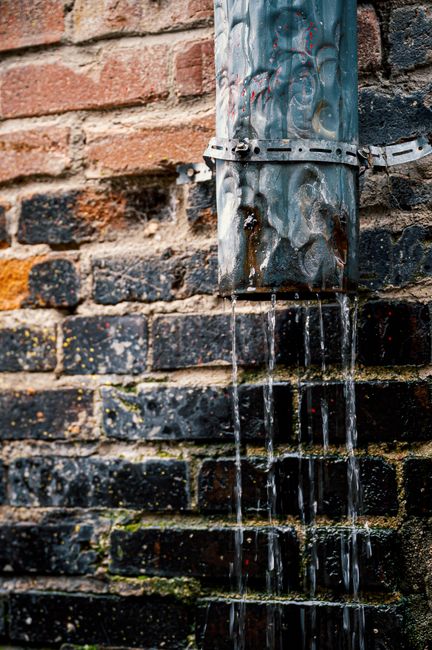
Common garden drainage problems Isleworth gardeners avoid mistakes
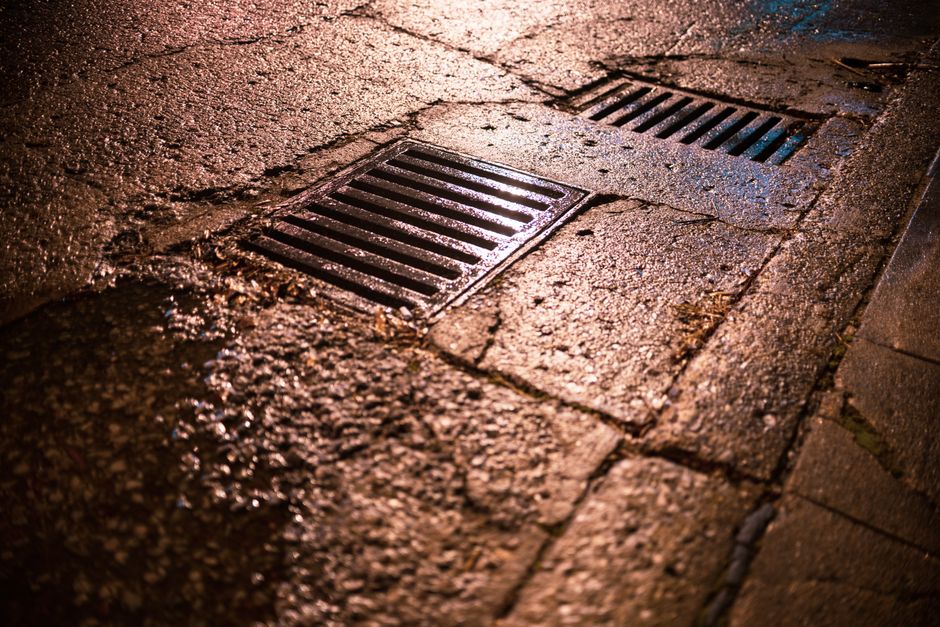
If your lawn stays squelchy after rain, your patio turns slippery, or flower beds seem to hold water for days, you are not alone. Common garden drainage problems Isleworth gardeners avoid mistakes are usually less about one dramatic failure and more about a chain of small missteps: poor levels, blocked outlets, compacted soil, the wrong surface finish, or simply not reading how water moves through the garden. In Isleworth, where gardens can sit between older clay-heavy patches and newer hard-landscaped spaces, drainage needs a bit more care than people expect.
This guide breaks down what causes the trouble, how drainage really works in a domestic garden, and the mistakes local gardeners try hard to avoid. You will also find a practical step-by-step approach, a checklist, a comparison table, and a realistic example or two. No fuss. Just the stuff that helps a garden dry out properly and stay usable after a proper British downpour.
Why Common garden drainage problems Isleworth gardeners avoid mistakes Matters
Drainage problems do more than leave puddles. They can slowly damage lawns, undermine patios, make paths unsafe, and encourage moss, algae, and root stress. In a town garden, the signs often appear quietly first: a damp patch that never quite fades, a corner that sinks a little, a smell of stale soil after rain. Then one day the garden feels unusable.
For Isleworth homes, the stakes are especially practical. Many gardens are relatively compact, which means water has fewer places to go. Add fences, sheds, decking, paving, or mature trees, and runoff becomes a bit of a puzzle. When the puzzle is solved badly, water ends up sitting where it should not.
To be fair, a lot of drainage mistakes come from good intentions. Someone wants a neat patio or a level lawn and forgets that gardens need gentle falls and somewhere for water to move. The result? The surface looks tidy for a while, then the problems start after the first run of wet weather.
That is why the best approach is not simply "add gravel" or "dig a trench". It is understanding the garden as a system: soil, gradient, hard surfaces, planting, and outlets all working together. Miss one part, and the rest can struggle.
How Common garden drainage problems Isleworth gardeners avoid mistakes Works
At its simplest, garden drainage is about guiding excess water away from places where it causes harm and toward places where it can safely soak away or exit. That can mean water moving through the soil, running across the surface, or travelling through a French drain, soakaway, gully, or channel drain. Different gardens need different answers.
The big thing people overlook is that water follows the easiest route. If the soil is compacted, it stays near the surface. If paving slopes the wrong way, it pools at a wall or doorway. If tree roots have filled the soil with dense growth, water may be forced sideways. You can almost hear the garden complain when it rains.
In practical terms, drainage depends on three questions:
- Where is the water coming from?
- Where is it trying to go?
- What is stopping it from moving freely?
Once those are clear, a solution becomes much easier to choose. For example, a waterlogged lawn may need aeration, soil improvement, and better grading, while a patio with standing water may need a corrected fall and a channel drain. A newly landscaped border can sometimes be fixed by changing the soil structure before the whole bed starts acting like a sponge.
That is also why drainage is often linked with broader garden planning. A new layout, new retaining edges, or a redesigned hardscape can either improve water flow or block it. Good landscape gardening thinking keeps this in view from day one, rather than treating drainage as a patch-up job later.
Key Benefits and Practical Advantages
Getting drainage right is not just about avoiding trouble. It changes how the whole garden feels and performs.
- Healthier planting: Roots get the oxygen they need, so plants are less likely to rot or stall.
- Better lawn condition: Grass recovers faster, compaction is reduced, and moss has less of a foothold. A well-kept lawn care routine works much better on land that drains properly.
- Safer surfaces: Wet paving, algae, and slippery steps become less of an issue.
- Longer-lasting hard landscaping: Patios, edges, and paths are less likely to shift or stain from constant saturation.
- Less maintenance stress: You spend less time dealing with standing water, muddy footprints, and boggy corners.
- More usable space: A dry garden gets used more. Simple as that.
There is also a quiet financial benefit. Fixing drainage early usually costs less than repairing a sunken patio, replacing failed turf, or rebuilding a feature that has been damaged by persistent moisture. Nobody enjoys paying twice for the same garden, let's face it.
Expert summary: The best drainage work is rarely the most visible work. It is the careful grading, soil correction, and water-routing behind the scenes that protects the garden long term.
Who This Is For and When It Makes Sense
This topic matters to a few different people. Some already know they have a drainage problem. Others just suspect something is off.
- Homeowners with soggy lawns: Especially if the grass stays wet for hours or days after light rain.
- People planning a patio, decking, or pathway: Drainage should be planned before installation, not after. If you are considering decking services, the ground beneath and around it needs proper thought.
- Gardeners restoring neglected spaces: Overgrown beds, leaf build-up, and compacted borders can hide deeper drainage issues.
- Households with mature trees: Trees can absorb a lot of water, but roots can also disrupt natural flows.
- Anyone who has already had surface repairs fail: If a patch keeps sinking or flooding again, the root cause has probably not been addressed.
It also makes sense when you are changing the garden's use. A space that once held planting only may now need to support seating, storage, children's play, or a cleaner route to the house. If the ground was fine for flower beds but not for paving, the old setup can suddenly become a problem.
Truth be told, many people only notice drainage once they start using the garden more. That first wet autumn after a new layout can be very revealing.
Step-by-Step Guidance
If you want to avoid the most common drainage mistakes, work through the garden in a structured way. No rushing. Drainage rewards patience.
- Observe after rainfall. Walk the garden while the ground is still wet. Look for pooling, soft patches, run-off lines, and places where water lingers.
- Check levels and falls. Water should generally move away from buildings and not sit against walls, sheds, or paving edges.
- Inspect outlets and gullies. Leaves, silt, moss, and garden debris can cause surprisingly stubborn blockages. A little build-up goes a long way.
- Test the soil. Clay-heavy or compacted soil drains slowly. Sandy soil drains quickly but may dry out too much. Each needs a different solution.
- Identify hard-surface problems. Patios, paths, and driveways can trap water if the slope is wrong or the drainage edge is blocked.
- Look at nearby trees and shrubs. Roots change how water moves through the ground, and large planting can create dry and wet zones side by side.
- Choose the least invasive fix first. Sometimes aeration, top-dressing, and improved grading are enough. Sometimes you need a more involved system.
- Match the solution to the problem. A lawn issue is not the same as a patio issue. A border issue is not the same as a foundation issue.
For gardens that are being refreshed more broadly, drainage planning often sits alongside garden maintenance or a larger tidy-up. If the site is heavily cluttered or overgrown, a clean start through garden clearance can make the drainage picture much easier to see.
One useful habit: after a repair, check it again in the next proper rain. Not a misty half-hour. A real downpour. That is when the truth shows up.
Expert Tips for Better Results
Small choices make a big difference here. These are the details experienced gardeners pay attention to.
Keep the fall gentle but decisive
Hard surfaces need a clear direction for water. Too flat, and water lingers. Too steep, and it may rush where it should not. A subtle, controlled fall is usually the sweet spot.
Do not smother soil with impermeable layers
Sometimes people add membranes, heavy clay, or tightly packed decorative finishes that make the ground even less breathable. A garden needs a balance between stability and permeability.
Break up compaction before adding more material
If the soil underneath is like a packed kitchen floor, new topsoil on its own will not solve much. Aeration, cultivation, and organic matter may be needed first.
Watch the edges of patios and paths
Drainage issues often show up where hard surfaces meet planting beds. Water can collect there, then slowly seep into mortar lines, turf edges, or subsurface layers.
Think seasonally
A garden that copes fine in summer may fail in autumn and winter, when rain arrives more often and evaporation slows. Morning light on a cold, damp lawn can reveal the trouble in a way dry weather never does.
A small but useful rule: if a fix only works when everything is perfectly dry, it is probably not a real fix.
Common Mistakes to Avoid
This is where many gardens go wrong. Not because people are careless, but because drainage mistakes can be sneaky.
- Ignoring the source of water: Run-off from roofs, paths, or neighbouring hard surfaces may be feeding the problem.
- Assuming all standing water means a soakaway is needed: Sometimes the real issue is poor grading or blocked flow.
- Over-relying on gravel: Gravel looks like a drainage cure, but without a proper route for water, it can simply hide the problem.
- Installing paving without checking levels: A patio that looks smart on day one can start ponding after the first wet spell.
- Failing to clear debris: Leaves, mud, and grass cuttings can clog channels and prevent water from moving away.
- Working around compaction instead of fixing it: A compacted lawn can stay wet no matter how many times it is cut. Regular lawn mowing helps appearance, but it will not cure poor drainage by itself.
- Planting thirsty or moisture-sensitive species in the wrong place: Some plants will sulk in wet soil, others will spread aggressively into damp zones. It matters.
- Overbuilding the garden: Too many impermeable surfaces in a small space can leave water with nowhere to go.
And one more, because it comes up a lot: people sometimes assume the soil is "just wet" because it rained. If the patch is still wet well after the rest of the garden has dried, that is a pattern, not bad luck.
Tools, Resources and Recommendations
You do not need an entire warehouse of kit to assess drainage, but a few basic tools help you make sensible decisions.
- Spade or garden fork: Useful for checking soil structure and uncovering shallow blockage issues.
- Spirit level or simple level line: Helpful for spotting surface falls on patios and paths.
- Rake and broom: Good for clearing leaves, silt, and surface debris from drains and edges.
- Soil improver or organic matter: Often useful for breaking up heavy, lifeless soil over time.
- Wheelbarrow and buckets: Handy for shifting topsoil or drainage material without making a mess of the whole garden.
- Drain rods or safe clearing tools: Useful where accessible channels or outlets need attention, provided the system is suitable.
For larger or more stubborn drainage jobs, it often makes sense to bring in broader gardening services rather than tackling everything piecemeal. If the issue sits inside a bigger redesign, landscaping support may be the smarter route because levels, surfaces, planting, and flows can all be planned together.
If blocked trees or overhanging limbs are part of the problem, or if root movement is interfering with the ground, it may also be worth considering tree surgery or tree lopping and removal. Not every wet patch is caused by trees, but a mature root system can certainly complicate matters.
Law, Compliance, Standards, or Best Practice
Garden drainage is not usually a highly regulated subject for a small domestic garden in the way that some building works are, but it still pays to follow accepted UK best practice. That means avoiding runoff onto neighbouring land where possible, protecting building foundations, and making sure any changes do not create a nuisance or a safety issue.
If a drainage fix links to paving, retaining features, or structural work near the house, standards and local expectations become more important. In practical terms, that means planning carefully, checking levels, and not guessing. A patio that drains toward a doorway is not just annoying; it can become a safety issue too.
Good practice also includes responsible disposal of excavated material, recycled aggregates where appropriate, and sensible protection of nearby planting. If a contractor is involved, readers should expect clear pricing, a transparent scope of work, and evidence of sensible insurance and safety arrangements. Those are exactly the kinds of things worth checking before any work starts.
For customers comparing providers, the best next step is to review service detail alongside trust information such as about us, insurance and safety, and health and safety policy. If you need clarity on costs first, the pricing and quotes page is the right place to start. It is boring admin, maybe, but useful boring admin.
Options, Methods, or Comparison Table
Different drainage solutions suit different problems. Here is a simple comparison to help you think clearly.
| Method | Best for | Strengths | Limitations |
|---|---|---|---|
| Improved grading | Patios, lawns, general surface runoff | Simple, often highly effective, addresses the root flow direction | Needs careful execution; not enough if soil is severely compacted |
| Soil aeration and improvement | Boggy lawns, heavy borders | Helps water move into the ground, improves root health | May take time and repeated treatment |
| Channel drains | Patios, paths, paved areas | Collect and redirect surface water efficiently | Require proper installation and maintenance |
| Soakaways | Areas where water can safely disperse underground | Useful when space and soil conditions are suitable | Not ideal in badly draining clay or cramped sites |
| French drains | Persistent saturated areas | Good for moving water away from trouble spots | Need correct design to avoid clogging |
In everyday terms, a lawn with shallow pooling and compacted soil may respond well to aeration and topdressing, while a newly laid patio with water creeping toward the house probably needs a structural fix. Different job, different answer.
Case Study or Real-World Example
Here is a realistic example based on the kind of issue that turns up in many Isleworth gardens.
A small rear garden had a paved sitting area, a narrow lawn, and two planted borders. After a run of wet weather, the owner noticed water pooling in one corner of the patio and a muddy patch near the lawn edge. At first glance, it seemed like the patio itself was failing. But the real issue was more layered: the ground had been compacted during a previous tidy-up, the patio fall was almost flat, and leaves from a nearby shrub were blocking the edge channel.
The fix was not dramatic. The area was cleared, the patio edge was adjusted, the worst compacted soil was loosened, and the border was improved with better soil structure. A drainage route was added where it was genuinely needed, not where it looked easiest. The result was a garden that dried out faster and stayed usable instead of turning into a soft, slippery mess.
What is the lesson? Most drainage problems are a combination problem. If you only treat one part, you often end up back where you started. Bit frustrating, really.
Practical Checklist
Use this before starting any drainage repair or garden redesign:
- Have I watched how water moves during and after rain?
- Are there blocked gullies, leaves, or silt traps?
- Does water sit against walls, fences, sheds, or patio edges?
- Is the soil compacted or overly heavy?
- Have I checked whether nearby trees or roots may be affecting the ground?
- Are my hard surfaces falling in the right direction?
- Have I considered whether the issue is in the lawn, borders, paving, or all three?
- Do I need a small fix, or a proper layout change?
- Would a maintenance visit be enough, or do I need a larger landscaping approach?
- Have I planned for future cleaning and upkeep so the problem does not return?
If you can answer most of those clearly, you are already ahead of the usual drainage panic stage.
Conclusion
Drainage problems are one of those garden issues that can look minor and then quietly take over. The good news is that most of them are fixable if you identify the real cause instead of guessing. In Isleworth, where garden size, soil type, hard surfaces, and mature planting can all interact, the smartest approach is to think system first, solution second.
The main mistakes are usually straightforward: ignoring levels, trusting gravel to solve everything, overlooking compaction, and forgetting that maintenance matters. Avoid those, and you give your garden a much better chance of staying dry, healthy, and actually enjoyable to use. Which is the point, after all.
If you are weighing up a repair, a refresh, or a wider redesign, start with a clear assessment and choose the least messy fix that will genuinely solve the cause. Small changes can make a surprisingly big difference, especially in a space that gets hard use through the wetter months.
Get a free quote today and see how much you can save.
Frequently Asked Questions
What are the most common garden drainage problems in Isleworth?
The most common issues are waterlogged lawns, puddling on patios, compacted soil, blocked drains, and runoff that collects in low corners. In many gardens, it is a mix of two or three problems rather than one single fault.
How do I know if my garden has a drainage problem or just wet soil?
If the ground stays saturated long after rainfall has stopped, or if the same patch repeatedly pools water, that suggests a drainage issue. Temporary wetness after a heavy shower is normal; lingering bogginess is not.
Can poor drainage damage my lawn?
Yes. Grass roots need air as well as water, and consistently wet soil can weaken the turf, encourage moss, and make the lawn more vulnerable to wear. A proper lawn care approach works much better once the drainage is improved.
Is gravel enough to fix a garden drainage issue?
Usually not on its own. Gravel can help in the right system, but it does not solve poor levels, compacted soil, or blocked flow. It is a component, not a cure-all. Sadly, the garden does not care how attractive the gravel looks.
Should I use a soakaway in a small garden?
Sometimes, but only if the site conditions suit it. Small gardens often have limited space, and some soils drain too slowly for a soakaway to perform well. The best choice depends on the layout, soil, and where the water comes from.
Why does my patio pool after rain?
It is often because the patio falls are too flat or because the drain edge is blocked. Surface build-up, settlement, or a poor original layout can also contribute. A patio issue is usually a level issue first.
Can trees make drainage problems worse?
Yes, they can. Roots may interfere with soil structure and surface levels, and large trees can change how water is absorbed around the garden. If roots are part of the problem, tree surgery may be worth considering.
How often should I check garden drains and channels?
At least seasonally, and more often if you have a lot of leaf fall. After heavy rain or windy weather, it is worth taking a quick look for debris, silt, or standing water. A five-minute check can save a lot of hassle.
Do drainage repairs need to follow special rules in the UK?
For simple domestic garden work, the main focus is on sensible best practice, safe installation, and avoiding runoff problems or hazards. If the work ties into larger paving or structural changes, more careful planning is needed.
What is the best first step if I am not sure what is causing the problem?
Observe the garden during and after rain, then note exactly where water sits, flows, or disappears. That simple map of the problem usually makes the next decision much clearer. If needed, a broader gardening services visit can help diagnose it properly.
When should I call in help rather than try to fix it myself?
If the problem keeps returning, affects hard landscaping, sits near the house, or seems linked to roots or deeper ground movement, it is sensible to bring in help. Some jobs are small enough to DIY, but persistent drainage issues can be stubborn and expensive if handled piecemeal.
Will garden maintenance stop drainage issues from coming back?
Good garden maintenance helps a lot because it keeps channels, edges, lawns, and borders clear of build-up. It will not fix a bad layout by itself, but it often prevents a solved problem from creeping back in.